Opioid addiction treatment near you in Brooklyn, with medicine and with people
For heroin, fentanyl and prescription painkillers: clinical care from an addiction psychiatrist and a team that treats you like a person, not a case.
- Medication when it helps
- PHP, IOP & outpatient
- Trauma-informed therapy
- Naloxone & safety planning

Opioid overdose: four steps that save lives
- 1
Know the signs
Very small pupils, slow or stopped breathing, blue or gray lips, and not waking up when you shout or rub their chest.
- 2
Call 911
Always call, even if you give naloxone. New York’s Good Samaritan law offers protection to people who call for help during an overdose.
- 3
Give naloxone (Narcan)
Naloxone can reverse an opioid overdose. It’s available at New York pharmacies without a prescription. Keep it at home if anyone uses opioids.
- 4
Stay with them
Lay them on their side, and give a second dose after a few minutes if they don’t respond. Naloxone can wear off before the opioid does.
Signs it’s time for opiate treatment near you
Opioid dependence can build quietly, especially when it began with a prescription for real pain.
- Needing more to get the same relief
- Feeling sick, achy or restless between doses
- Running out of a prescription early
- Seeing several doctors for the same pills
- Pulling away from family and old routines
- Money or belongings going missing
- Nodding off or very small pupils
- Using pills bought without a prescription
Opioid addiction therapy, medication and a plan for safety
Medication can quiet withdrawal and cravings. Therapy gives you the skills and support to build a life that doesn’t need opioids.
- 01
Medication-assisted treatment
With our addiction psychiatristFDA-approved medications can ease withdrawal and cravings so therapy has room to work. Our board-certified addiction psychiatrist decides with you whether MAT fits your plan.
- 02
Individual therapy
CBT and DBT skillsUnderstand what keeps the cycle going, from pain and stress to old trauma, and build new ways through the hardest moments.
- 03
Group therapy
Relapse preventionPeers who understand, and a plan for the people, places and feelings that used to lead back to use.
- 04
Trauma-informed care
Including EMDRMany people who use opioids carry trauma. When it’s part of the picture, we treat it at a pace that feels safe.
- 05
Overdose prevention
Education and naloxonePractical safety for you and your family, including naloxone training, because staying alive comes first.
“The goal is not substitution, but stabilization.”
Opioid addiction treatment programs for your next step after detox
The days after detox carry a high risk of overdose, because tolerance drops quickly. Starting structured care right away matters, and we can help plan that before you leave.
Detox Placement
We arrange medical detox with a partner facility, then continue your care here after a detox or hospital stay.
Learn more PHPPartial Hospitalization
Our most structured level of care: treatment for most of the day, several days a week, and home each evening.
Learn more IOPIntensive Outpatient
Several sessions a week, with morning, daytime and evening tracks planned around work and family.
Learn moreAn opioid rehab program where your psychiatrist and therapist talk
Medication decisions and therapy happen under one roof. Our medical director, a board-certified addiction psychiatrist, works with your primary clinician so your plan stays coherent.
If a court or employer has asked for an evaluation, see substance use evaluations.
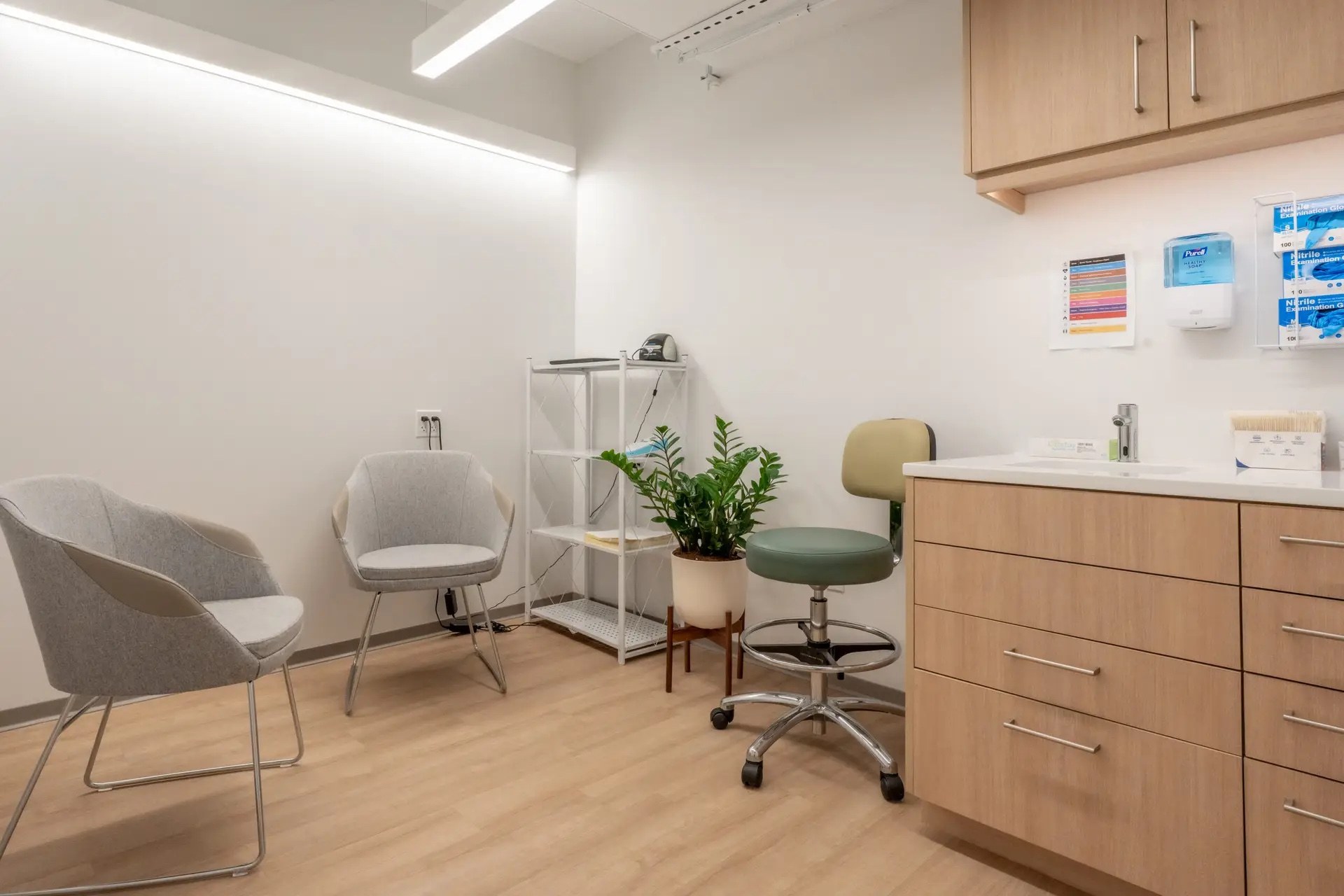
Verify your coverage before you start
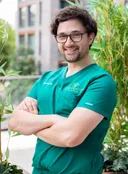
Medical Director
Clinical Director
Registered Nurse


Outpatient opioid treatment near you, and other substances we treat
Questions about opioid use disorder treatment
Honest answers to what we hear most. If yours isn’t here, our admissions team is glad to help.
01Do I need detox before starting at Elevate Point?
Often, yes. Opioid withdrawal is rarely life-threatening on its own, but it’s very hard to get through alone and the risk of overdose after a break is high, because tolerance drops quickly. Our admissions team can help you find detox, or talk through whether starting medication with a doctor is the better first step.
ReadHow Long Does Alcohol Detox Take?02Do you offer medication for opioid use disorder?
Medication-assisted treatment is part of our approach when it’s clinically right. Our addiction psychiatrist will evaluate you and talk through the options, including how medication fits with therapy.
ReadHow Long Does Heroin Stay in the Body03Why is fentanyl so dangerous?
Fentanyl is far stronger than heroin and is now found in much of the street drug supply, including pills that look like prescriptions. People often don’t know they’re taking it, which is why overdose risk is so high.
04I started with prescribed painkillers. Is this the right place?
Yes. Many people’s opioid use began with a legitimate prescription. We treat dependence on prescription painkillers, heroin and fentanyl, without judgment about how it started.
05Where can I find opioid treatment near me in NYC?
Our opioid rehab is at 203 Jay Street in Downtown Brooklyn, near the 2, 3, 4, 5, A, C, F and R subway lines. If you’re looking for opioid recovery near you that fits around work and family, call us and we’ll check your insurance for free.
ReadHow to Balance Work with Addiction Treatment: Why IOP May Be the Right Choice06I’m worried about fentanyl in NYC. Where do I start?
Start with a call. Fentanyl is in much of the street supply in New York City, so any opioid use carries overdose risk. If you’re looking for opioid abuse help, we’ll talk through safety first, then whether detox or our outpatient opiate addiction treatment near you is the right next step.
ReadResources for Addiction in New York City: How to Get Help in NYC07Can my family be involved?
Yes. Family sessions with our marriage and family therapist help the people at home understand addiction, set healthy boundaries and know how to respond in an emergency.
ReadHow Families Can Support Long-Term Addiction Recovery08Does insurance cover opioid addiction treatment?
Many commercial PPO and POS plans, including plans with out-of-network benefits, include outpatient treatment. Coverage depends on your plan. We check your coverage for you, free, before you start.
ReadWhy Individualized Treatment Plans in Addiction Recovery MatterStill have a question?
Check your insurance and talk with us today
Leave your number and how you’re covered. Our admissions team will call you back, check your benefits for free and answer your questions, with no obligation.

Free insurance check
Private, secure and no obligation.